
Hypertrophy Explained: Training, Nutrition and Supplement Strategy for Muscle Growth


Building muscle it’s all about understanding the science behind growth and how training, nutrition, and supplementation all work together to maximize results. Hypertrophy, the process of increasing muscle size, is influenced by mechanical tension, metabolic stress and muscle damage. While workouts lay the foundation, what you eat and the supplements you choose can significantly accelerate progress.
In this guide, we’ll break down the core principles of hypertrophy, show you how to structure your training for optimal muscle growth, outline the nutritional strategies that support recovery and size gains and highlight supplements that can give you an edge. Whether you’re a beginner or a seasoned lifter, this article will give you a complete blueprint to train smarter, eat better and grow stronger.
- 1. What is hypertrophy and why it matters
- 2. How to gain muscle: key principles you should always follow
- 3. Hypertrophy training: the science behind workouts
- 4. Muscular hypertrophy: nutrition strategies to maximise muscle growth
- 5. Supplements to boost hypertrophy: best supplements for gaining muscle
- 6. How to track your progress and avoid plateaus when training for hypertrophy
1. What is hypertrophy and why it matters
Hypertrophy is the process of increasing the size of your muscles, a key goal for anyone looking to improve strength, performance or overall aesthetics. Simply put, when you challenge your muscles through resistance training, they adapt by growing larger and stronger over time. There are two main types of hypertrophy:
-
Sarcoplasmic hypertrophy: focuses on increasing the volume of the fluid and energy stores in the muscle cells, which mainly improves size.
-
Myofibrillar hypertrophy: focuses on increasing the size and number of the muscle fibers themselves, which boosts strength and density.

Understanding hypertrophy is important because it informs how you train, what you eat and which supplements can support your goals. For gym-goers, knowing the difference between hypertrophy and strength training can help you design workouts that clearly align with your objectives, whether that’s building visible muscle, increasing power or improving overall fitness.
Muscular hypertrophy doesn’t happen overnight. It’s the result of consistent training, proper nutrition and adequate recovery. By focusing on evidence-based principles, you can ensure that every workout contributes to meaningful growth, rather than just burning calories or lifting heavy without purpose.
In the next chapter, we’ll explore how to gain muscle effectively, breaking down the key principles that form the foundation of successful hypertrophy training.
2. How to gain muscle: key principles you should always follow
Gaining muscle isn’t just about lifting heavy weights, it’s about combining the right training, nutrition and recovery strategies consistently. Whether you’re a beginner at a UK gym or an experienced lifter, following these core principles will ensure your efforts translate into real hypertrophy.

1. Progressive overload
Muscles grow when they are consistently challenged. Progressive overload means gradually increasing the stress placed on your muscles through heavier weights, more reps or additional sets. This encourages your body to adapt, stimulating both sarcoplasmic and myofibrillar hypertrophy.
You may also want to read: Progressive Overload vs. HIT Training
2. Consistent resistance training
Consistency is key. Aim for structured resistance training 2-5 times per week, targeting all major muscle groups. Compound movements like squats, deadlifts, bench presses and rows are particularly effective, as they work multiple muscles at once and allow you to lift heavier loads safely.
3. Optimal training volume and intensity
Both volume (sets × reps) and intensity (weight lifted) influence muscle growth. Research suggests moderate to high volume with moderate to heavy weights produces the best hypertrophy results. For most lifters, this means lifting weights that challenge you for 6-12 reps per set while maintaining good form.
4. Nutrition that supports growth
Muscle growth requires fuel. Prioritize:
-
Adequate protein: around 1.6-2.2g per kg of body weight per day.
-
Sufficient calories: a small surplus helps your body build new muscle tissue.
-
Balanced macros: carbohydrates for energy, healthy fats for hormone balance.
-
Protein sources like chicken, eggs, fish, dairy and plant-based options like lentils or tofu.
5. Recovery and sleep
Muscles grow outside the gym. Aim for 7-9 hours of quality sleep per night, and include rest or active recovery days in your training schedule. Recovery allows your muscles to repair, adapt and grow stronger.
6. Track progress and adjust
Track your workouts, nutrition and body composition. Progress isn’t always linear. Be prepared to adjust weights, reps or calorie intake to keep progressing without hitting a plateau.
By following these principles consistently, you set a strong foundation for hypertrophy. The next chapter will dive into hypertrophy training itself, breaking down the science behind workouts that actually build muscle.
3. Hypertrophy training: the science behind workouts
Muscle growth is a physiological process driven by how your muscles respond to stress, fatigue and recovery. Understanding the science behind hypertrophy helps you design smarter workouts and get the most from each session.
How muscles grow: the science of hypertrophy
→ Mechanical tension at the fiber level
When you challenge your muscles, fibers experience tension that triggers protein synthesis and structural adaptations. This tension activates cellular pathways that increase muscle size and strength over time.
→ Metabolic stress and muscle signaling
Accumulation of metabolites like lactate, hydrogen ions and inorganic phosphate during workouts signals the muscle to adapt. This stress promotes cell swelling, hormone release and growth factor activity, which are essential for hypertrophy.
→ Muscle damage and remodeling
Micro-tears in muscle fibers activate satellite cells that repair and increase fiber thickness. Controlled muscle damage from training stimulates long-term adaptation without overtraining.

Muscle fibre types and hypertrophy
Muscles are made up of different types of fibres, and each one responds differently to training. Understanding these fibres can help you design hypertrophy workouts that maximise growth and balance across the body.
Type I fibers (slow-twitch)
-
These fibres are endurance-oriented, fatigue-resistant and rich in mitochondria.
-
Type I fibres are designed for sustained, lower-intensity activity like long-distance running or high-rep sets with lighter weights.
-
While they can grow, their hypertrophic response is slower and smaller compared to Type II fibres.
Training Tips: Use higher repetitions (12-20+), moderate loads and shorter rest periods to recruit these fibres effectively. Incorporate exercises that require sustained tension, such as bodyweight movements, machines or high-rep isolation exercises.
Type II fibers (fast-twitch)
-
Type II fibres generate high force, contract quickly and fatigue faster.
-
These fibres are ideal for explosive movements and heavy lifts like sprinting, Olympic lifts or bench presses.
-
Type II fibres have the highest growth potential, making them the main driver of muscular hypertrophy.
Training tips: Focus on moderate to heavy loads with 6-12 reps per set, compound lifts and explosive movements. Adequate rest between sets (1-3 minutes) ensures full recruitment and maximal tension.
Training that efficiently recruits both slow-twitch and fast-twitch fibres ensures:
-
Balanced muscle growth across all fibres.
-
Improved muscular endurance and strength.
-
Reduced risk of plateaus, as different fibres adapt to different stimuli.
A well-rounded hypertrophy program should combine:
-
Heavy compound lifts for Type II fibres.
-
Moderate-to-high rep accessory exercises for Type I fibres.
-
Varied rep ranges and tempos to fully engage both fibre types.
This approach ensures muscles grow uniformly, improving both appearance and functional performance.

Hormonal and molecular factors
Muscle growth is also regulated by internal biological mechanisms. Hormones and molecular pathways work together to stimulate protein synthesis, repair muscle tissue and control overall muscle size. Understanding these processes can help you train smarter and optimize your results.
Key hormones that drive muscle growth are:
-
Testosterone
Testosterone increases protein synthesis, enhances muscle fibre growth and improves recovery after workouts. Higher testosterone levels correlate with greater gains in muscle mass, particularly in fast-twitch (Type II) fibres.
Compound lifts (squats, deadlifts, bench presses) and higher-intensity resistance training naturally stimulate testosterone production.
-
Growth Hormone (GH)
GH supports muscle repair, fat metabolism and tissue regeneration. It also promotes amino acid uptake in muscle cells and stimulates insulin-like growth factor 1 (IGF-1) production.
Short rest periods, high-intensity resistance exercises and proper sleep maximize natural GH release.
-
Insulin-Like Growth Factor 1 (IGF-1)
IGF-1 directly activates satellite cells, which repair and increase the size of muscle fibers. It is critical for long-term muscle adaptation, especially in response to mechanical tension and metabolic stress.
Proper nutrition, particularly protein intake around workouts, helps maintain IGF-1 activity and muscle repair.
Molecular pathways that control growth:
-
mTOR (Mechanistic Target of Rapamycin)
mTOR is a cellular pathway that regulates protein synthesis in response to mechanical tension and nutrient availability. Activation of mTOR leads to muscle protein accumulation and fibre growth.
Adequate protein intake, progressive overload, and moderate-to-high training volume stimulate mTOR activity.
-
Myostatin
Myostatin is a protein that inhibits muscle growth. Lower myostatin activity allows muscles to grow faster and recover more effectively.
Resistance training, especially high-intensity and eccentric exercises, can reduce myostatin activity naturally.
Proper nutrition, recovery and training intensity optimize all of these internal mechanisms.
💡Key takeaways:
-
Hypertrophy is about activating the right fibers, triggering growth signals and supporting repair processes.
-
Understanding the underlying science allows you to structure training more effectively and avoid plateaus.
Chapter 4 will cover nutrition strategies that fuel these biological processes, ensuring your muscles have the resources to grow.
4. Muscular hypertrophy: nutrition strategies to maximise muscle growth
Nutrition fuels hypertrophy at the cellular level. The right diet supports protein synthesis, replenishes energy stores and optimizes hormones and molecular pathways like mTOR and IGF-1, which are essential for muscle growth.
1. Prioritise protein for muscle repair and growth
Protein provides the amino acids your body uses to repair micro-tears in muscle fibres after training. Aim for 1.6-2.2g of protein per kg of body weight per day for hypertrophy.
Best sources:
| Animal-based | Plant-based |
| chicken | lentils |
| lean beef | chickpeas |
| eggs | tofu |
| fish | tempeh |
| dairy | quinoa |
Timing: Distribute protein evenly across meals and include a protein-rich snack post-workout to enhance recovery and mTOR activation.
2. Calories and macronutrient balance
To grow muscle, you need a slight surplus, enough to fuel growth but avoid excessive fat gain.
-
Carbohydrates: Provide energy for high-intensity training and help replenish glycogen stores. Include whole grains, fruits, and starchy vegetables in your diet.
-
Fats: Essential for hormone production, including testosterone. Focus on healthy fats from nuts, seeds, olive oil and fatty fish.
3. Nutrients that support hypertrophy
-
Branched-chain amino acids (BCAAs): Leucine, isoleucine and valine activate muscle protein synthesis.
-
Creatine: Supports ATP availability for high-intensity lifts, enhancing mechanical tension and hypertrophy.
-
Micronutrients: Vitamins D, C, magnesium and zinc support recovery, hormone balance, and overall performance
4. Meal timing and pre/post-workout nutrition
-
Pre-workout: Consume carbs and moderate protein ~60-90 minutes before training to fuel performance.
-
Post-workout: Combine protein and carbs within 1-2 hours to support repair and glycogen replenishment.
-
Hydration: Staying hydrated ensures proper muscle contraction and nutrient transport.
Proper nutrition is the fuel that allows your training to translate into real muscle gains. To further enhance hypertrophy, the next chapter covers supplements that support muscle growth and recovery.
5. Supplements to boost hypertrophy: best supplements for gaining muscle
While training and nutrition form the foundation of hypertrophy, certain supplements can help maximise muscle growth, recovery and overall performance. The right supplements complement your diet, enhance protein synthesis and support the biological mechanisms we discussed in the previous chapters, like mTOR activation and IGF-1 signalling.

Here are some supplements you could use:
→ Protein supplements
Protein supplements provide you convenient, high-quality protein to help you meet daily targets, especially when whole-food intake is insufficient.
Depending on your personal preferences and lifestyle, there are more protein supplement types you could choose from:
-
Whey protein: fast-digesting, ideal post-workout to rapidly supply amino acids.
-
Casein: Slow-digesting, perfect before bed to maintain protein synthesis overnight.
-
Plant-based options: Pea, soy or rice protein for vegan or dairy-sensitive individuals.
How to use: 20-30g per serving, post-workout or to supplement meals.
Protein powder supports muscle repair, recovery and protein synthesis, making it easier to reach your hypertrophy goals.

Shadowhey Whey Protein Concentrate
Shadowhey Concentrate delivers high-quality whey protein designed to support muscle recovery, strength development and consistent hypertrophy progress. Rich in essential amino acids and naturally high in leucine, it helps stimulate muscle protein synthesis and provides the nutritional support your muscles need after intense training sessions.
SHOP NOW→ Creatine monohydrate
Creatine is one of the most researched supplements in the world. Among many other benefits, it increases phosphocreatine in muscles, improving ATP availability for short, high-intensity lifts.
It works by enhancing mechanical tension and training volume, key drivers of muscle growth.
Dosage and timing: 3-5g daily; optional loading phase of 20g/day split into 4 doses for 5-7 days. It can be taken pre- or post-workout; consistency matters more than timing.
Creatine is proven to increase muscle mass, strength and performance, with extensive research supporting its safety.
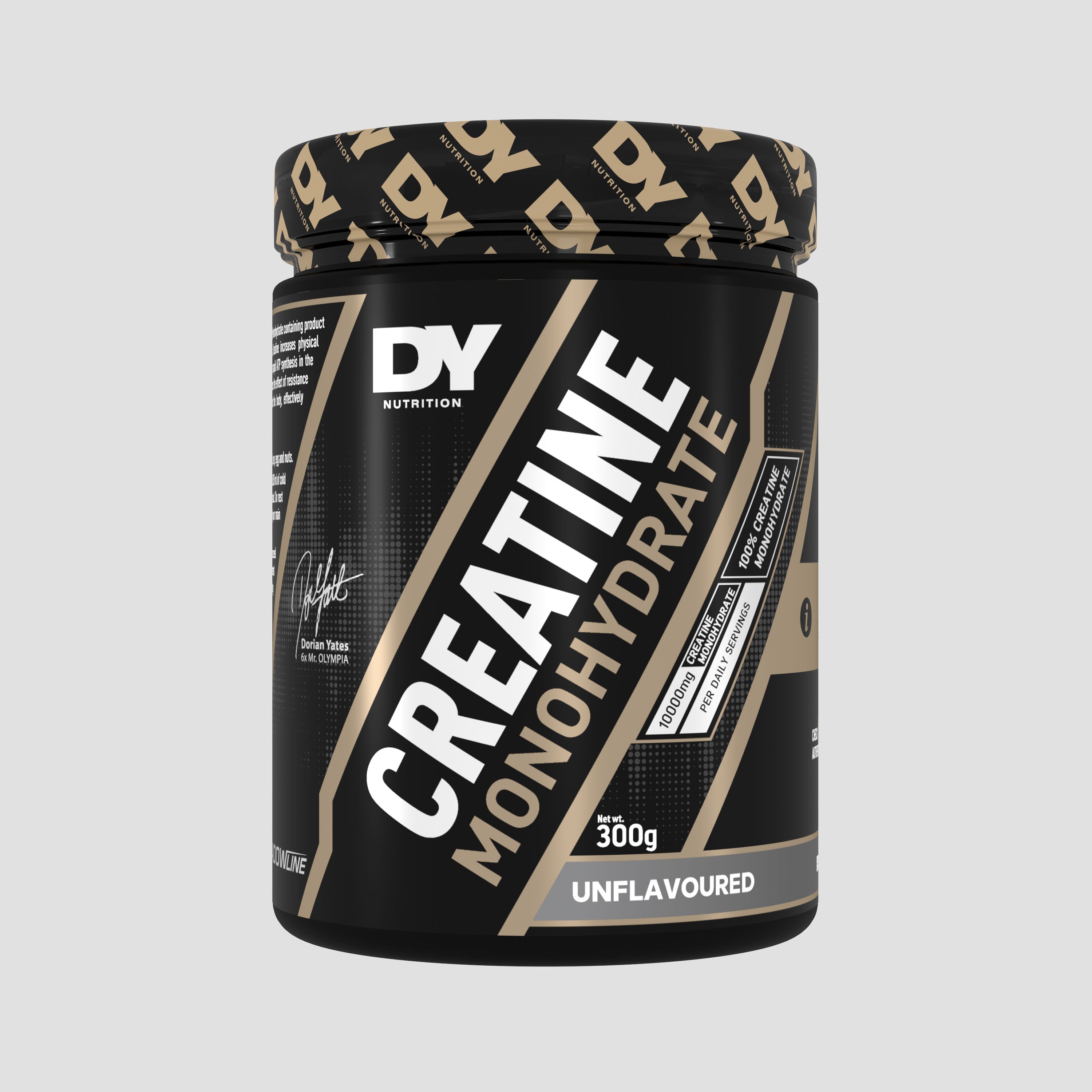
Creatine Monohydrate
DY Nutrition Creatine Monohydrate provides 5 g of pure creatine per serving to support strength, power and high-intensity training performance. Unflavoured and easy to mix, it’s a simple, effective addition to any muscle-building routine.
SHOP NOW→ Branched-chain amino acids (BCAAs)
BCAAs supply you with leucine, isoleucine and valine, essential amino acids that directly stimulate muscle protein synthesis. They can be taken pre-, intra-, or post-workout, especially if dietary protein is insufficient. Aminoacid supplements reduce muscle soreness, support recovery, and help maintain training intensity.
Most people meeting daily protein targets may not need extra BCAAs, but they can be useful during long or fasted workouts.

HIT BCAA 10:1:1
HIT BCAA 10:1:1 delivers a powerful leucine-dominant amino acid ratio designed to support muscle recovery, reduce training fatigue and help maintain lean muscle during intense workouts. This advanced formula helps support muscle protein synthesis and keep performance levels high during demanding hypertrophy training sessions.
SHOP NOW→ Beta-alanine
Beta-alanine enhances muscular endurance by buffering acid build-up during high-rep sets.
Dosage: 3-6g per day, split into smaller doses to minimize tingling sensation (paresthesia).
It enables more repetitions at moderate-to-high intensity, increasing metabolic stress and growth stimulus.
You can include it in training phases with higher volume or circuit-style hypertrophy workouts.
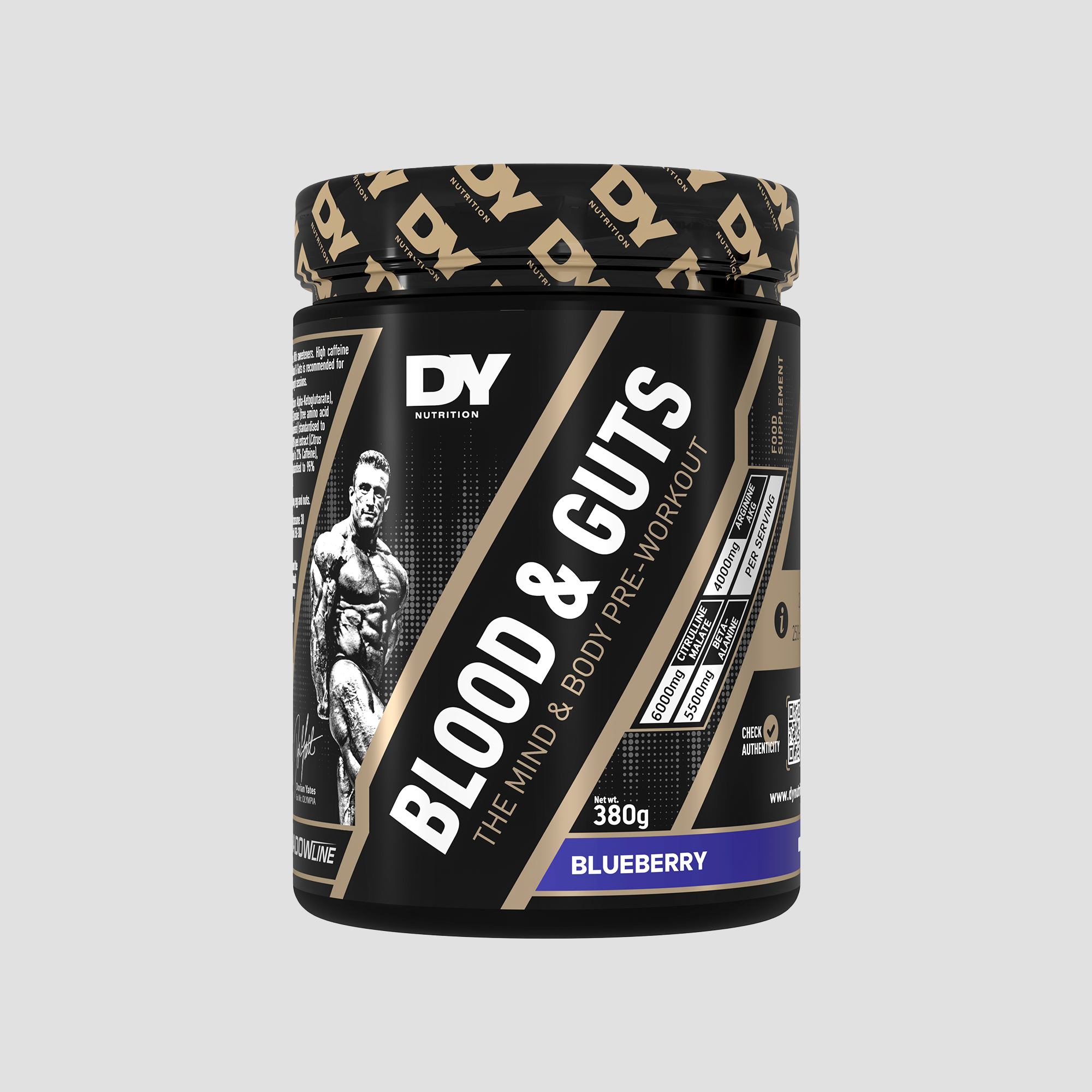
Blood & Guts Pre-Workout
Inspired by 6× Mr. Olympia Dorian Yates' legendary training style, Blood & Guts is a powerful pre-workout designed for high-intensity training sessions. Featuring 6000 mg citrulline malate, 5500 mg beta-alanine and 4000 mg arginine AKG, it helps support explosive muscle pumps, endurance and training output. Combined with 350 mg caffeine and focus-support ingredients like L-tyrosine, it’s built to deliver energy, focus and performance when your workouts demand more.
SHOP NOW→ Omega-3 fatty acids
Omega-3s support recovery, reduce inflammation and improve cell membrane function. Some good omega-3 sources include fatty fish (salmon, mackerel), flaxseed, chia seeds or supplements with EPA/DHA.
Omega-3 indirectly enhances training capacity and recovery, allowing for more frequent and intense sessions.
→ Vitamins and minerals
Vitamins such as vitamin D support testosterone production and muscle function. Magnesium and zinc aid recovery, protein synthesis and hormone balance.
Ensure daily intake through diet or supplementation if deficient, as deficiencies can impair hypertrophy.
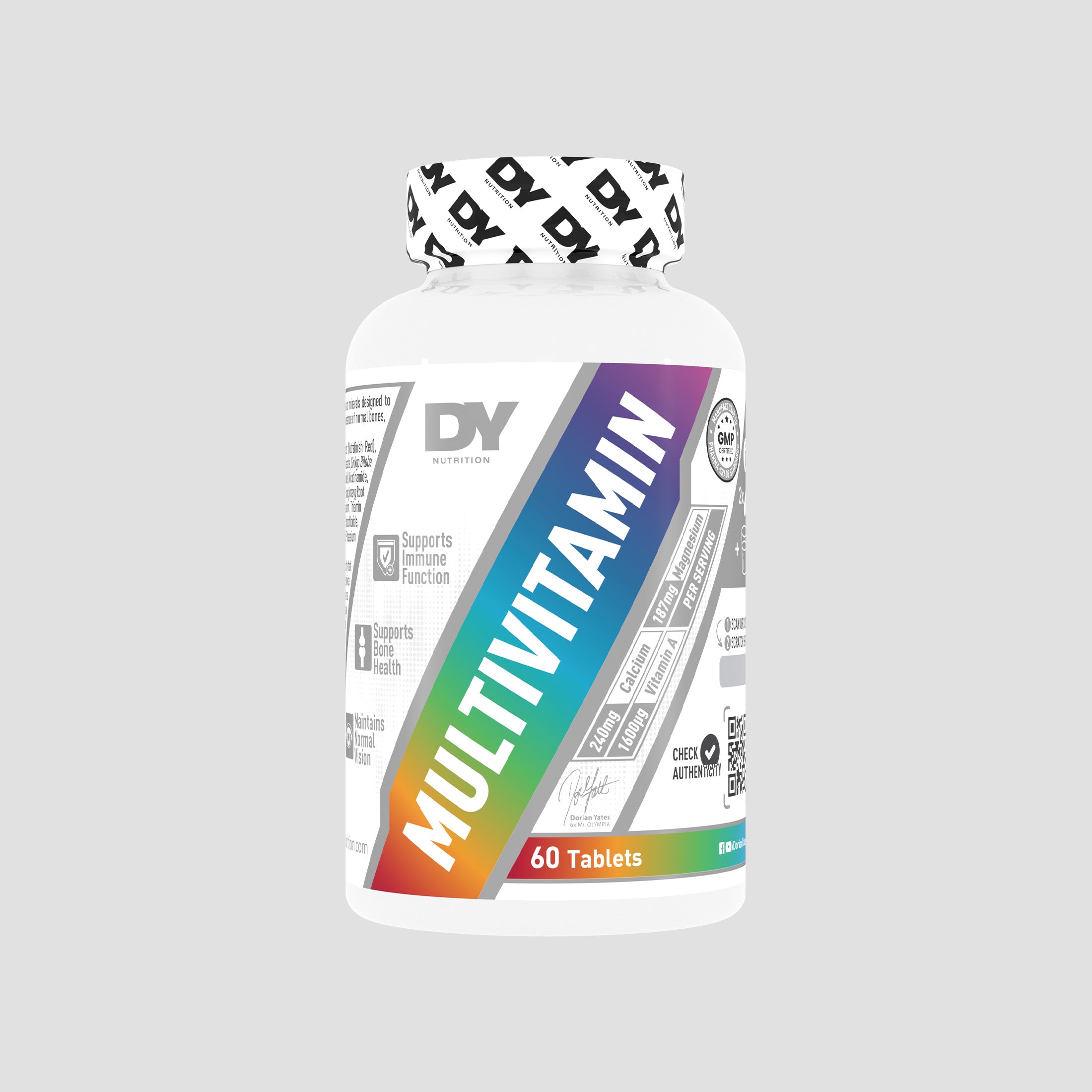
Multivitamin Complex
DY Nutrition Multivitamin Complex delivers a full spectrum of essential vitamins and minerals to support energy production, immune function and overall health. Formulated to help fill nutritional gaps and support active lifestyles, it works alongside your training and diet to keep you performing at your best.
SHOP NOWPractical tips:
Supplements are most effective when paired with a consistent hypertrophy program and optimal nutrition.
-
Look for GMP-certified or third-party tested products to ensure quality and safety.
-
Track your training and recovery to see which supplements provide noticeable benefits.
-
Combine supplements with proper nutrition and structured hypertrophy training to maximize results.
For an in-depth breakdown of every supplement, including dosages and timing, check out our complete supplement guide: The Ultimate Guide to Gym Supplements: What Actually Works for Muscle Growth and Performance
6. How to track your progress and avoid plateaus when training for hypertrophy
Even with the right training, nutrition and supplements, muscle growth can stall if progress isn’t monitored. Tracking results and adjusting your approach is essential to keep stimulating hypertrophy and prevent plateaus.
Track key metrics
Monitoring the right metrics helps you measure muscle growth effectively:
-
Strength progression: track increases in weight lifted, reps or sets over time. Strength gains indicate your muscles are adapting to training.
-
Body measurements: Measure chest, arms, legs and waist periodically to observe changes in muscle size.
-
Body composition: Tools like bioelectrical impedance scales or DEXA scans can help differentiate muscle gain from fat gain.
-
Visual Progress: Take weekly or monthly photos to track muscle definition and shape.
Record progress in a workout journal or app to see trends and make informed adjustments.
 Adjust training variables to avoid plateaus
Plateaus occur when muscles fully adapt to your routine. To continue progressing, adjust your training volume, intensity and exercise selection.
Increase sets, reps, or weight to challenge your muscles. Vary rep ranges and tempo to stimulate both slow-twitch and fast-twitch fibres. Rotate compound and isolation exercises to target muscles from different angles, and prioritize recovery with rest days and periodic deload weeks to avoid overtraining.
Nutrition and recovery adjustments
Muscle growth requires proper fuel and recovery. If gains slow down, adjust your calorie intake and protein to ensure your body has enough energy and building blocks. Optimize pre- and post-workout meals to support recovery and protein synthesis. Supplements such as protein powder, creatine, and BCAAs can help, but only when paired with a consistent diet and training program.
Recognize signs of a plateau
Watch for indicators that you may need to adjust your program:
-
Stalled strength gains
-
Lack of visible muscle growth despite consistent training
-
Prolonged fatigue or soreness
-
Reduced motivation or training intensity
Regularly track your progress using apps, spreadsheets, or a simple journal, and review it every 4-6 weeks. Make adjustments based on data trends rather than perception alone, and ensure your training, nutrition and supplementation are all aligned with your hypertrophy goals.
By understanding how muscles grow, how different fibre types respond and how hormones and molecular pathways influence protein synthesis, you can design a program that maximizes muscle growth and long-term results.
Consistently applying hypertrophy principles, tracking your progress, and making adjustments ensures you continue progressing without hitting plateaus. Nutrition provides the fuel and building blocks for growth, while supplements can complement your diet and training for added support.
Whether you’re just starting out or looking to refine your routine, remember that muscle growth is a journey. Focus on structured workouts, balanced nutrition, and smart supplementation and use tracking to guide your progress. With consistency and knowledge, hypertrophy becomes not just a goal, but a sustainable lifestyle.
Frequently Asked Questions About Hypertrophy
1. What is hypertrophy in fitness?
Hypertrophy refers to the growth and increase in size of muscle fibers in response to strength training. It occurs when muscles adapt to mechanical tension, metabolic stress and controlled muscle damage, supported by proper nutrition and recovery.
2. How long does it take to see hypertrophy results?
Visible muscle growth typically appears after 6-12 weeks of consistent training and nutrition, though factors like genetics, training intensity, diet, and sleep affect the timeline. Tracking strength progression and body measurements helps monitor progress.
3. What is the best training for hypertrophy?
The most effective hypertrophy training includes moderate-to-heavy resistance exercises with 6-12 reps per set, targeting all major muscle groups 2-3 times per week. A combination of compound and isolation exercises ensures both slow-twitch and fast-twitch muscle fibers are stimulated.
4. How important is nutrition for hypertrophy?
Nutrition is critical for muscle growth. Adequate protein, calories and balanced macronutrients fuel recovery and activate growth pathways like mTOR and IGF-1. Proper meal timing and nutrient intake ensure your training translates into real muscle gains.
5. Do I need supplements to gain muscle?
Supplements are optional but beneficial when diet alone isn’t enough to meet protein or energy needs. Evidence-based options like protein powders, creatine, BCAAs and beta-alanine can enhance recovery, strength, and muscle growth.
6. How can I avoid plateaus when training for hypertrophy?
Avoid plateaus by tracking progress, varying rep ranges, adjusting training volume, and periodically changing exercises. Proper nutrition, recovery, and targeted supplementation also help muscles continue to grow and adapt over time.
7. Can I gain muscle without heavy weights?
Yes, but mechanical tension is still required. Bodyweight exercises, resistance bands or lighter weights with higher reps can stimulate hypertrophy, especially for beginners. However, progressive overload with heavier weights is generally the fastest way to maximize growth.
Sources:
Nutrients (2025) - Nutritional Supplements for Muscle Hypertrophy: Mechanisms and Morphology‑Focused Evidence
https://pubmed.ncbi.nlm.nih.gov/41305653/
Med Sci Sports Exerc (2007) - Effects of Whey Isolate, Creatine, and Resistance Training on Muscle Hypertrophy
https://pubmed.ncbi.nlm.nih.gov/17277594/
PubMed (2023) - The Effects of Creatine Supplementation Combined with Resistance Training on Regional Muscle Hypertrophy: A Systematic Review with Meta‑Analysis
https://pubmed.ncbi.nlm.nih.gov/37432300/
PubMed (2025) - Effects of Creatine Supplementation on Muscle Strength Gains: A Meta‑Analysis and Systematic Review
https://pubmed.ncbi.nlm.nih.gov/41328071/
PubMed (2018) - Resistance Training Volume Enhances Muscle Hypertrophy
https://pubmed.ncbi.nlm.nih.gov/30153194/
