
The Ultimate Guide to Gym Supplements: What Actually Works for Muscle Growth and Performance


Navigating the world of gym supplements and sports nutrition products can be overwhelming. Millions of options promise rapid muscle growth, enhanced strength or improved recovery, yet only a select few are supported by rigorous scientific research.
Understanding how supplements interact with the body (stimulating muscle protein synthesis, optimizing energy production and supporting recovery) is essential to translating consistent training into measurable results.
This comprehensive guide provides an evidence-based overview of the supplements that truly impact muscle growth, performance and recovery. You will learn about their mechanisms of action, effective dosages and how to integrate them strategically into your exercise and nutrition routines. That way, you can make informed decisions that maximize results safely and efficiently.
- 1. What are sport supplements and what do they do?
- 2. Quick Answer: what are the best supplements for muscle growth?
- 3. Exercise and supplements: the science behind nutritional supplements in sports and exercise
- 4. Types of gym supplements: what are the best supplements for exercise and performance?
- 5. What supplements should I take for the gym? Beginner’s list
- 6. Best muscle growth supplements for men and women
- 7. Sports performance supplements: overhyped or context-dependent gym supplements
- 8. How to build a smart supplement stack: mini-guide
- 9. How to choose high-quality nutrition supplements
- 10. Final verdict: what actually works for muscle growth and performance?
1. What are sport supplements and what do they do?
Sports supplements are products specifically formulated to support the physiological demands of training and enhance athletic performance. These products can come in the form of powders, capsules, liquids or functional foods, delivering concentrated nutrients or bioactive compounds that are often difficult to obtain in sufficient quantities through a standard diet alone.

The primary objectives of sports nutrition supplements are to support muscle growth, improve strength, enhance endurance, facilitate recovery and optimize overall performance. Depending on the type and mechanism, they may:
-
Stimulate muscle protein synthesis to promote hypertrophy
-
Enhance energy availability and delay fatigue during high-intensity exercise
-
Reduce exercise-induced muscle damage and accelerate recovery
-
Support essential micronutrient balance necessary for metabolic and hormonal processes
It is important to note that supplements are complementary tools, not replacements for the core pillars of athletic progress: progressive resistance training, adequate protein & caloric intake and sufficient rest. Choosing effective supplements requires understanding their physiological effects, evidence from clinical studies and appropriate dosing.
💡Key Takeaways:
→ Supplements are tools to complement training and nutrition, not replacements.
→ Understand the specific function of each supplement: recovery, performance or endurance.
→ Focus on evidence-backed ingredients and avoid hype-only driven products.
2. Quick Answer: what are the best supplements for muscle growth?
When it comes to building muscle, not all supplements are created equal. Based on current scientific evidence, the following are considered the most effective supplements for muscle growth:
1. Creatine monohydrate
Increases phosphocreatine stores in muscles, enhancing ATP production for high-intensity performance. Creatine supports strength, power and lean mass gains. Typical dose: 3-5g daily.
2. Whey protein
Rapidly digested protein rich in leucine, stimulating muscle protein synthesis. Ideal for post-workout recovery and meeting daily protein requirements.
3. Essential amino acids (EAAs) / BCAAs
EAAs provide all amino acids needed for muscle repair and growth. BCAAs alone are less effective unless total protein intake is adequate.
4. Beta-alanine
Increases muscle carnosine levels, buffering acid build-up during high-intensity exercise. Enhances training volume and endurance in short, intense sets.
5. Pre-workout formulas
Improves focus, power output and perceived effort. Effective pre-workout doses typically range from 3-6 mg per kg of body weight.
These supplements have the strongest evidence for increasing muscle growth, strength and performance. While other products may provide additional benefits, focusing on these core supplements ensures a scientifically validated foundation for any training program.
3. Exercise and supplements: the science behind nutritional supplements in sports and exercise
The effectiveness of supplements is fundamentally linked to how they interact with the body’s physiological systems during exercise and recovery. Supplements are not a replacement for training, nutrition or recovery; rather, they serve as targeted tools that enhance the body’s natural adaptive processes.
Muscle Protein Synthesis (MPS) is the central mechanism behind muscle growth. Resistance training stimulates MPS, but adequate protein intake, especially high-quality sources like whey protein or essential amino acids, further amplifies this process. Without proper training and nutrition, supplementation alone cannot produce meaningful hypertrophy.
Energy systems determine the body’s ability to perform during different types of exercise. Adenosine triphosphate (ATP) provides immediate energy, while phosphocreatine buffers ATP during short, high-intensity efforts. Supplements such as creatine monohydrate increase phosphocreatine availability, allowing athletes to lift heavier, perform more repetitions and sustain intensity for longer durations. For endurance activities, carbohydrates, caffeine and certain nitrates help maintain energy efficiency and delay fatigue.
Recovery and adaptation are equally critical. Exercise induces micro-damage to muscle fibers, inflammation and oxidative stress. Targeted supplementation with proteins, amino acids, antioxidants and key micronutrients such as magnesium and vitamin D supports repair, reduces muscle soreness and optimizes hormonal and metabolic responses.
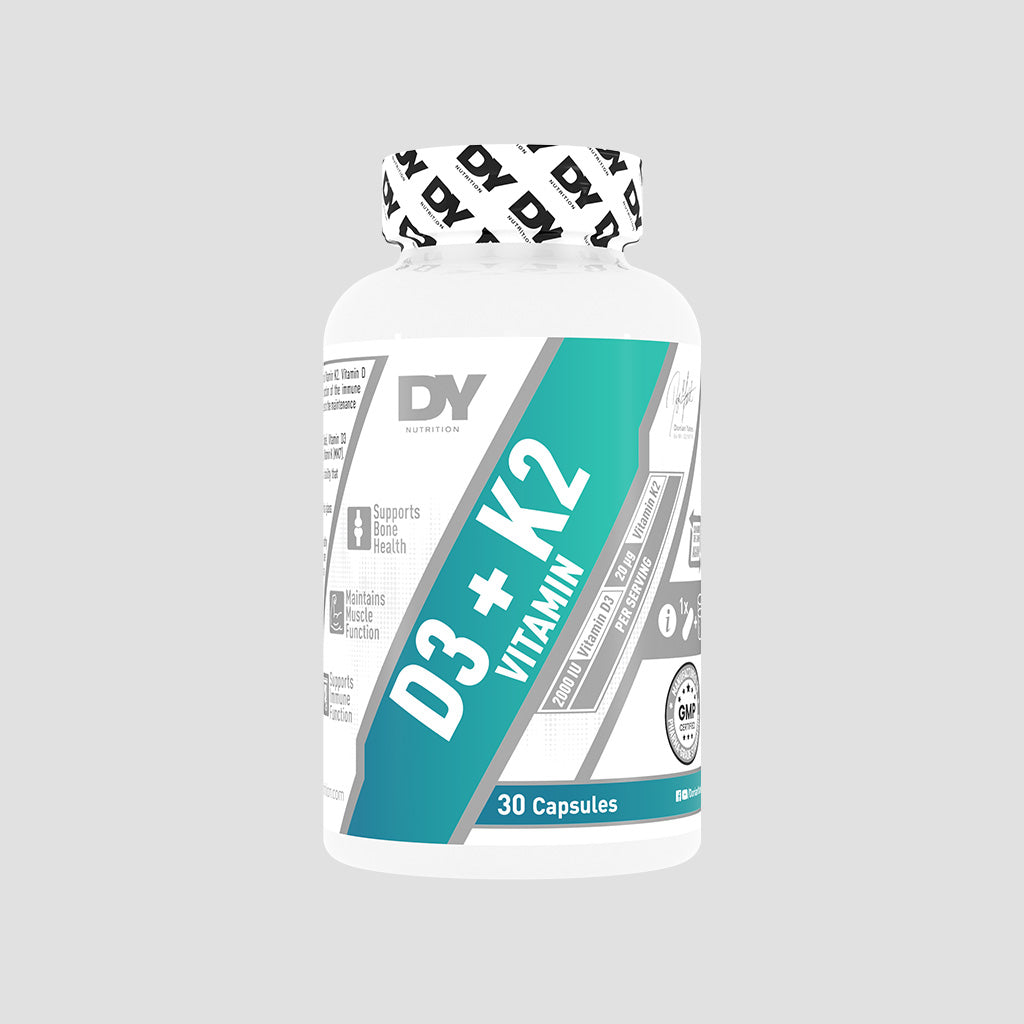
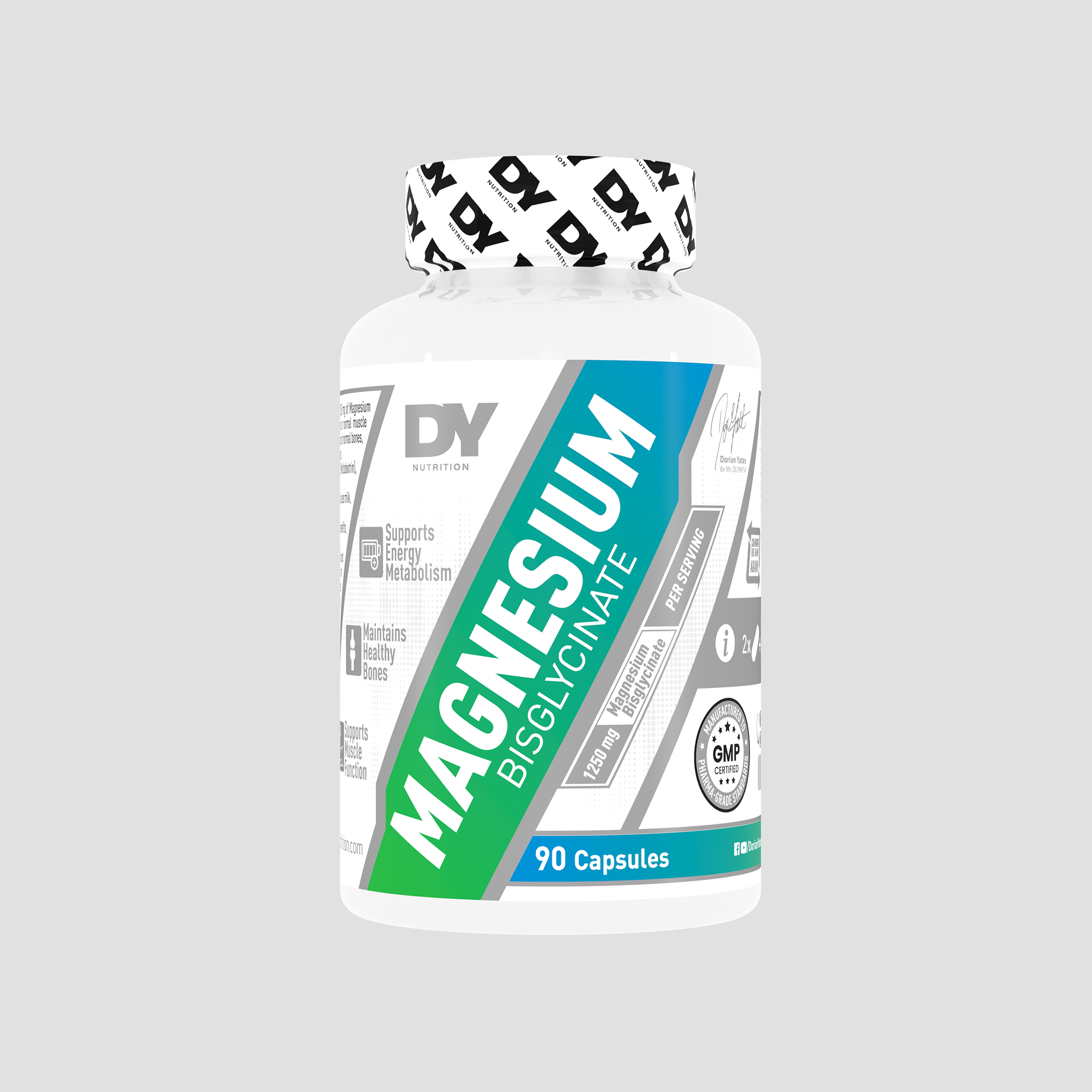
By understanding these mechanisms, athletes can make informed decisions about which supplements complement their training and nutrition strategy. This knowledge ensures that every supplement used has a clear, evidence-based purpose, maximizing gains in muscle growth, strength and overall performance.
In the following section, we will break down the main types of gym supplements, exploring their roles, benefits and evidence-based effectiveness.
💡Key Takeaways:
→ Supplements work best when integrated with structured training and nutrition.
→ Mechanistic understanding helps in timing, dosage and stack design.
→ Evidence varies: some supplements are well-supported, others are context-dependent.
4. Types of gym supplements: what are the best supplements for exercise and performance?
Gym supplements are often categorized based on their primary function: enhancing performance, supporting muscle growth or aiding recovery. Understanding these categories will help you select products that align with your training goals and physiological needs. Not all supplements are equally effective; the distinction lies in mechanism of action, scientific evidence and practical application.
Let’s explore the main types of supplements in each category, their proven benefits and how they can complement a structured training and nutrition plan.
4.1. Best supplements for muscle growth
Muscle growth, or hypertrophy, is primarily driven by progressive resistance training combined with adequate nutritional support. Certain supplements can amplify these processes by enhancing muscle protein synthesis, energy availability and recovery mechanisms.
-
Whey Protein is one of the most extensively studied supplements for muscle growth. Its rapid digestion and high leucine content make it highly effective at stimulating muscle protein synthesis post-exercise.
-
Creatine Monohydrate increases intramuscular phosphocreatine stores, improving ATP regeneration during high-intensity lifts. This allows athletes to perform more repetitions, sustain intensity, and ultimately achieve greater training volume, key factors for hypertrophy.
-
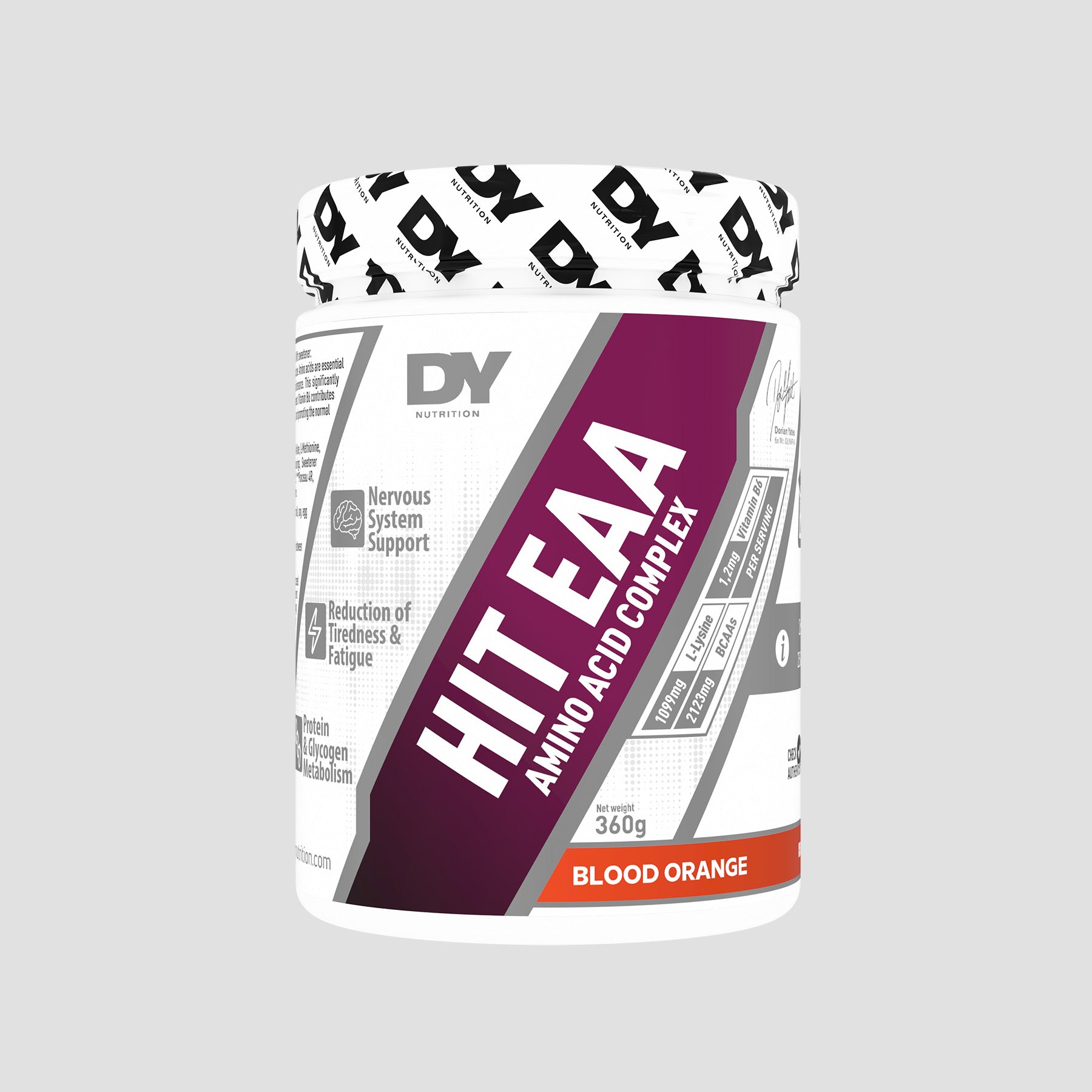
Essential Amino Acids (EAAs) provide all the amino acids required for muscle repair and growth. Unlike branched-chain amino acids (BCAAs) alone, EAAs ensure a complete substrate for protein synthesis, particularly when dietary protein intake is suboptimal.
-
Hydroxymethylbutyrate (HMB) helps reduce muscle protein breakdown, which can be especially beneficial during periods of intense training or caloric restriction.
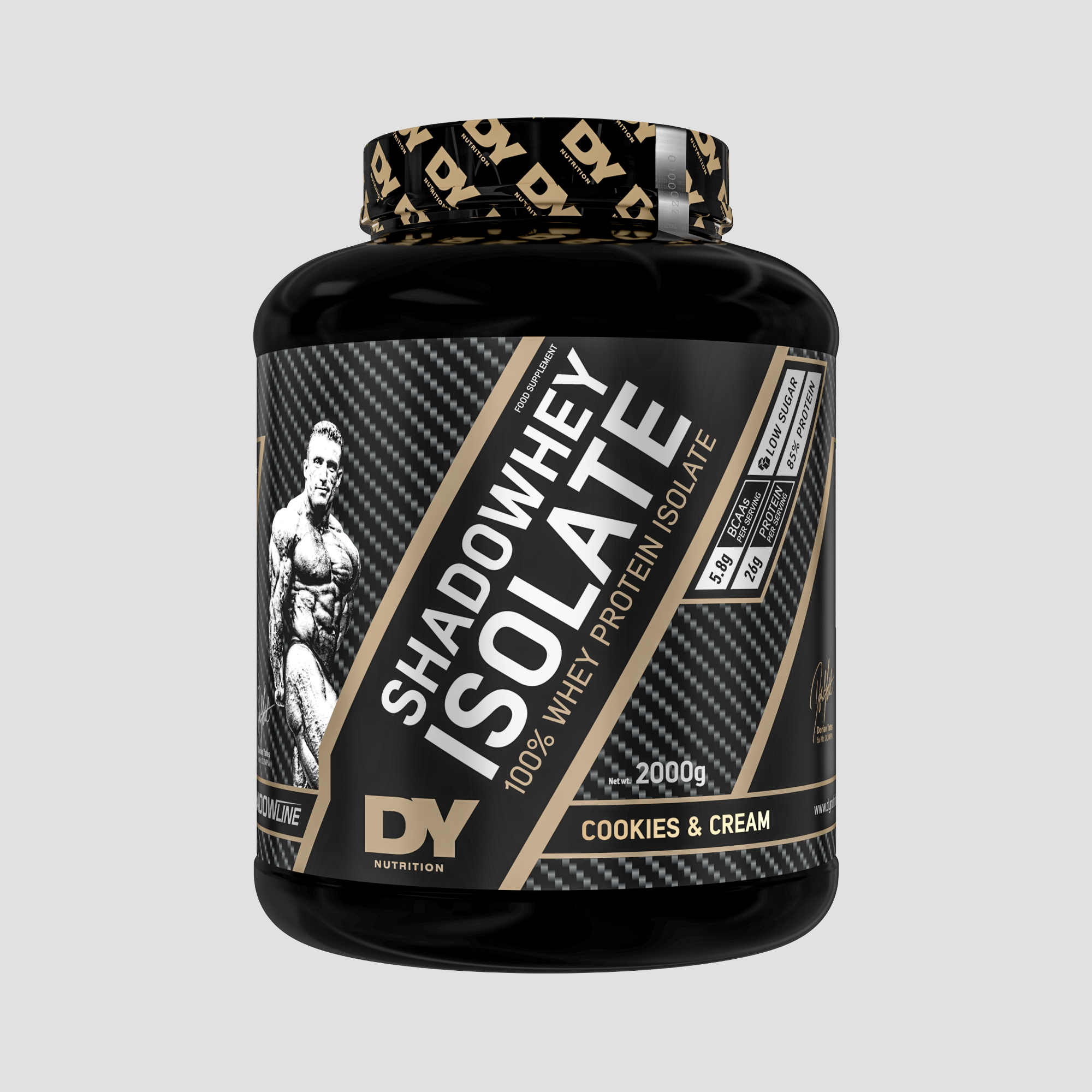
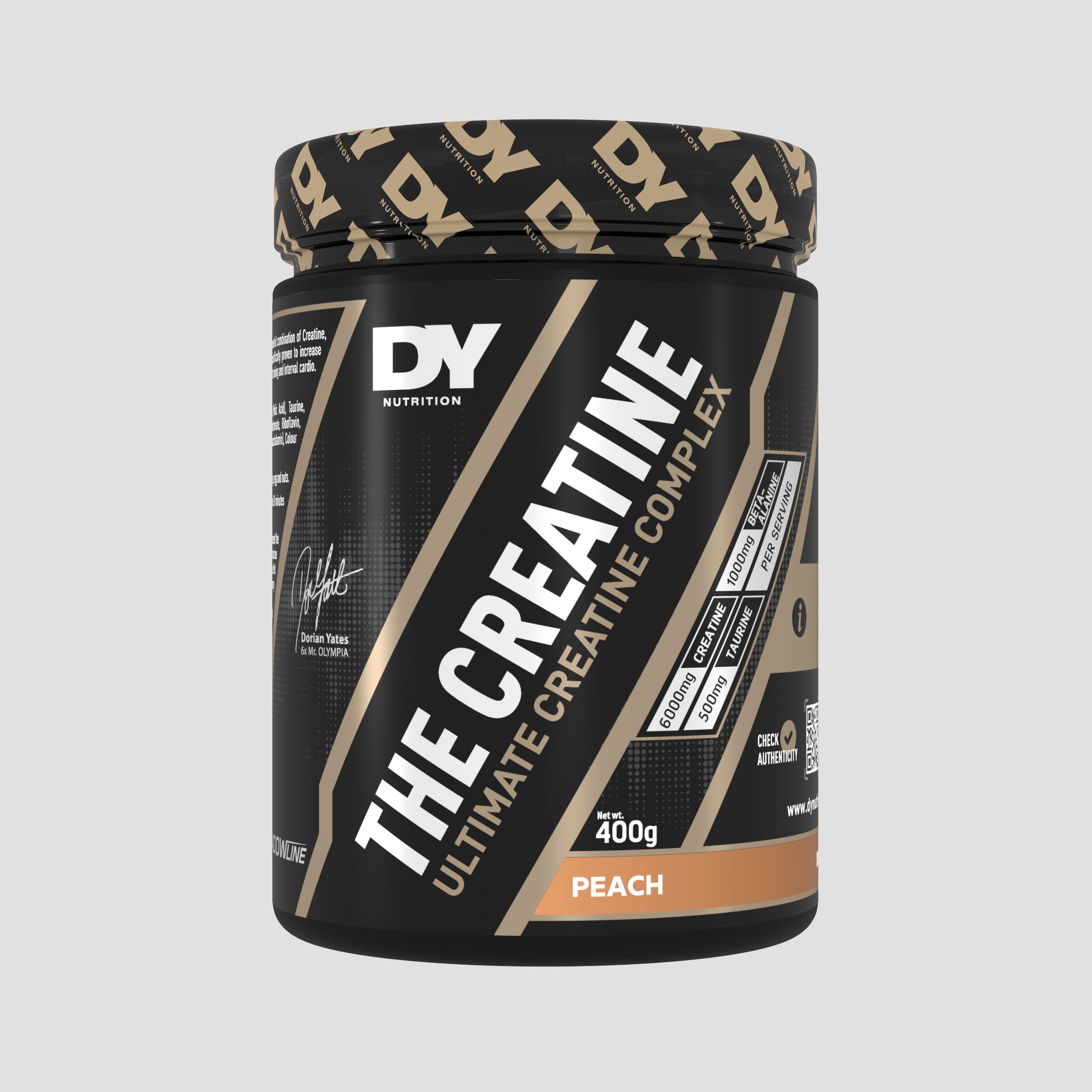
While these supplements are supported by robust scientific evidence, it is important to remember that they work best in the context of a well-structured training program and adequate overall nutrition. Supplements alone cannot replace progressive resistance training or sufficient protein intake.
4.2. Best supplements for strength and power
Strength and power are highly dependent on the body’s ability to generate rapid force and sustain high-intensity output. While training protocols remain the cornerstone of strength development, certain supplements can enhance neuromuscular performance, energy availability and overall force production.
-
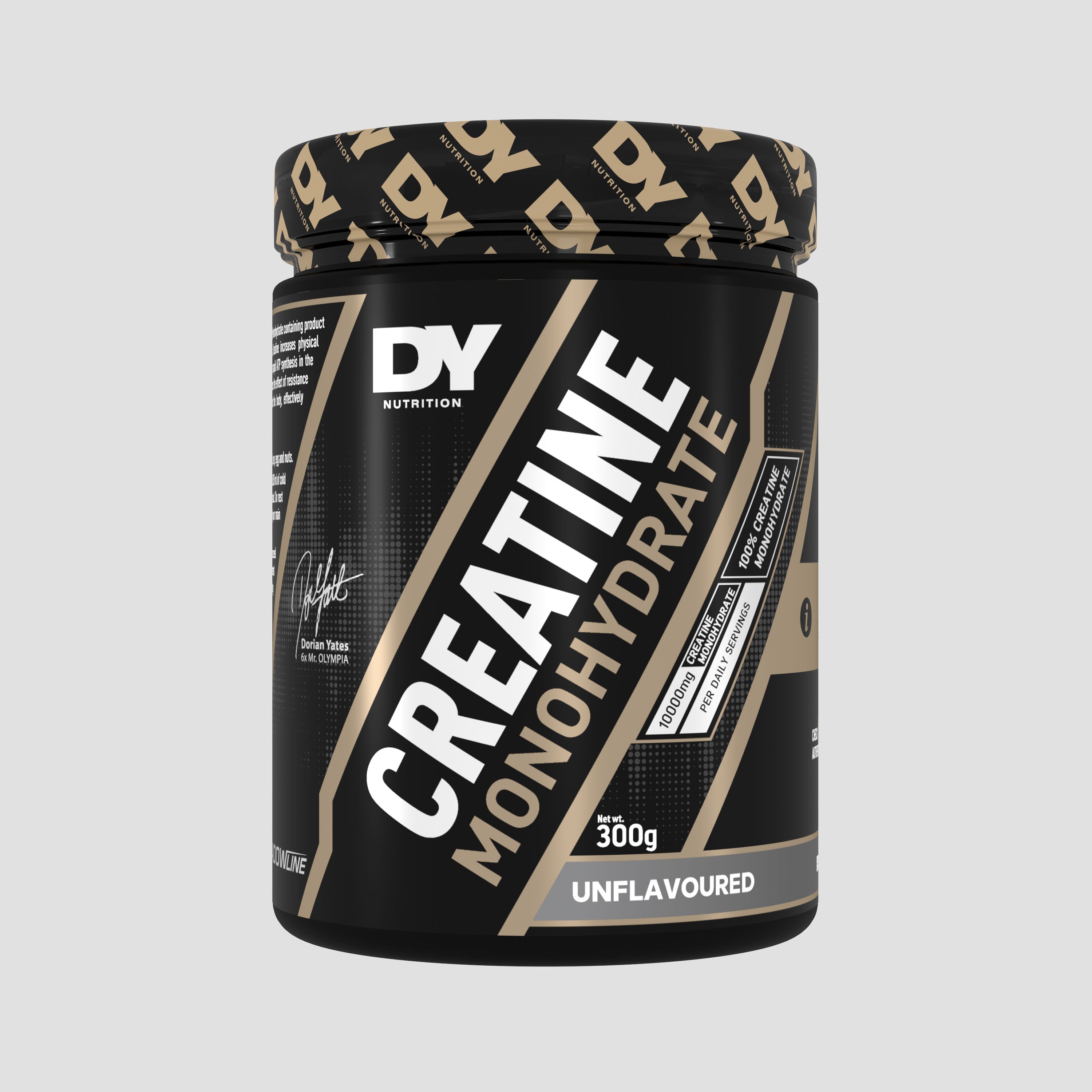
Creatine Monohydrate is the most extensively researched supplement for strength and power. By increasing intramuscular phosphocreatine stores, it accelerates ATP regeneration during short, explosive efforts, allowing athletes to lift heavier weights, perform additional repetitions, and improve training volume over time.
-
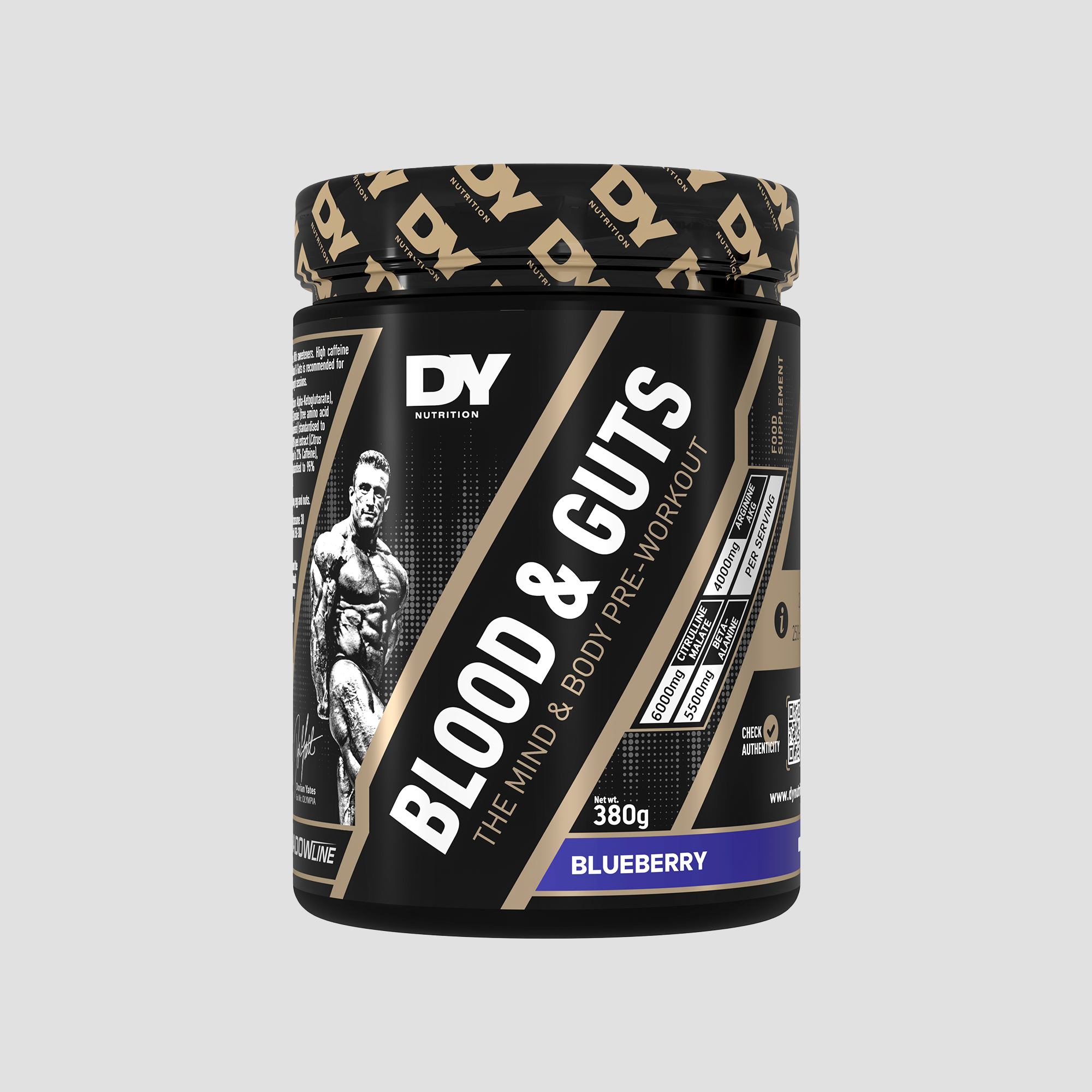
Beta-Alanine increases muscle carnosine levels, which buffers hydrogen ions during high-intensity exercise. This delay in muscular fatigue helps athletes maintain peak power across repeated sets, making it particularly effective for strength-endurance training.
-
Caffeine is a well-established ergogenic aid that enhances focus, reaction time and force output. Its effects on the central nervous system reduce perceived exertion and improve performance during maximal and near-maximal lifts.
-
Nitrate-rich supplements (such as beetroot juice or citrulline) support blood flow, oxygen delivery and energy efficiency in muscle tissue. These benefits are especially relevant for repeated high-intensity efforts, explosive movements and recovery between sets.
4.3. Best supplements for endurance training
Endurance training challenges the body in unique ways, demanding sustained energy production, efficient oxygen delivery and rapid recovery. While consistent training and a balanced diet form the foundation, certain supplements can enhance performance by supporting these physiological processes.
-
Carbohydrates remain the primary fuel source for prolonged exercise. Supplementing with carbohydrate powders, gels or drinks helps maintain glycogen levels, delaying fatigue and sustaining output during long sessions. Unlike short, explosive training, endurance efforts rely heavily on steady energy availability over time.
-
Caffeine acts as a central nervous system stimulant, reducing perceived exertion and improving focus. For endurance athletes, this translates to the ability to maintain intensity over extended periods while feeling less fatigued.
-
Electrolytes, including sodium, potassium, and magnesium, are crucial for muscle contraction, nerve signaling and hydration balance. Extended exercise increases electrolyte loss through sweat, and maintaining proper levels can prevent cramping and support optimal performance.
You may also want to read: The Benefits of Magnesium
When integrated thoughtfully with training, nutrition, and hydration strategies, these supplements provide measurable benefits in endurance performance.
4.4. Best supplements for muscle recovery
Recovery is the hidden driver behind every performance gain. When you exercise, your muscle fibers experience micro-damage, your nervous system is taxed and inflammation and oxidative stress increase. Proper recovery is what allows your body to adapt, grow stronger and perform at a higher level in subsequent sessions.
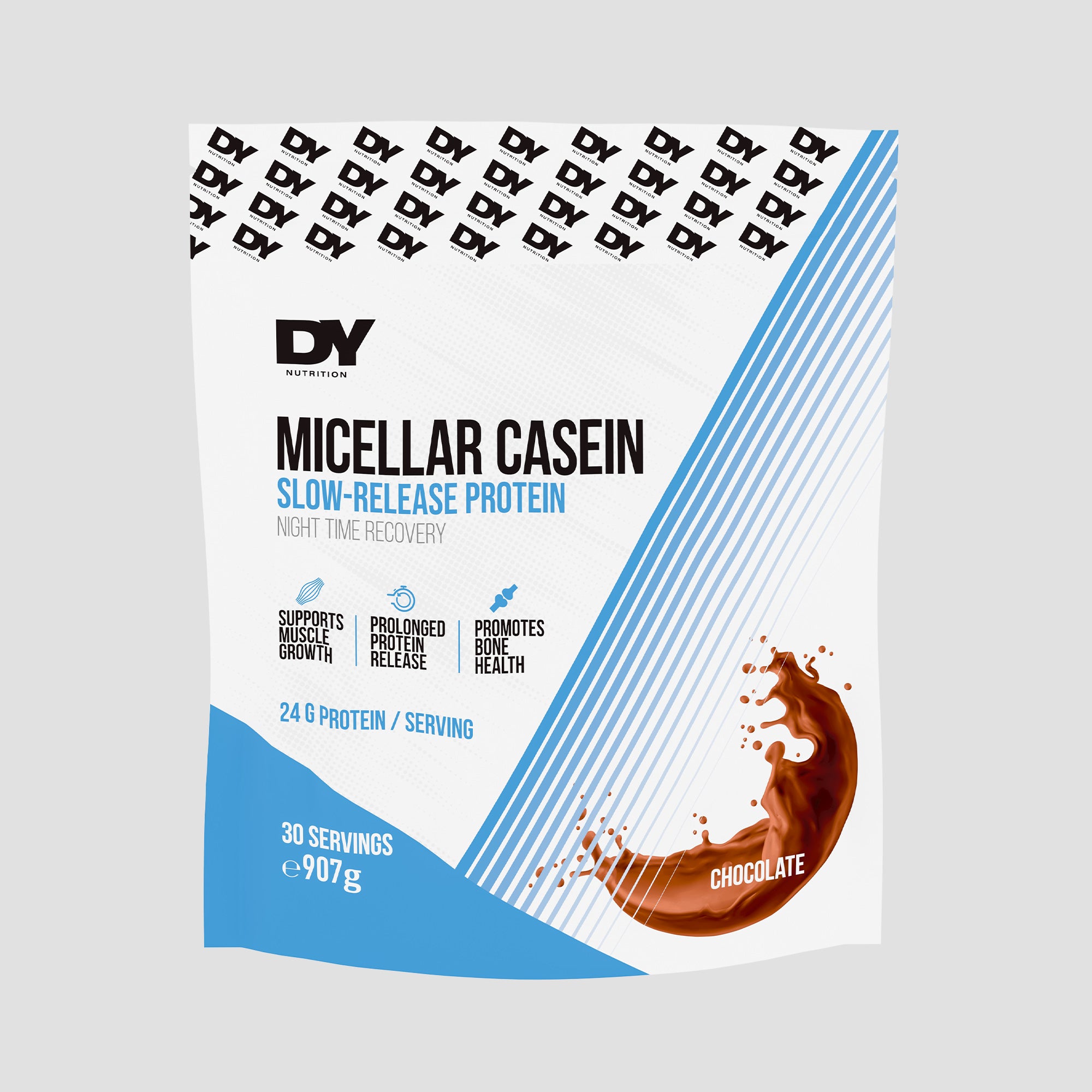
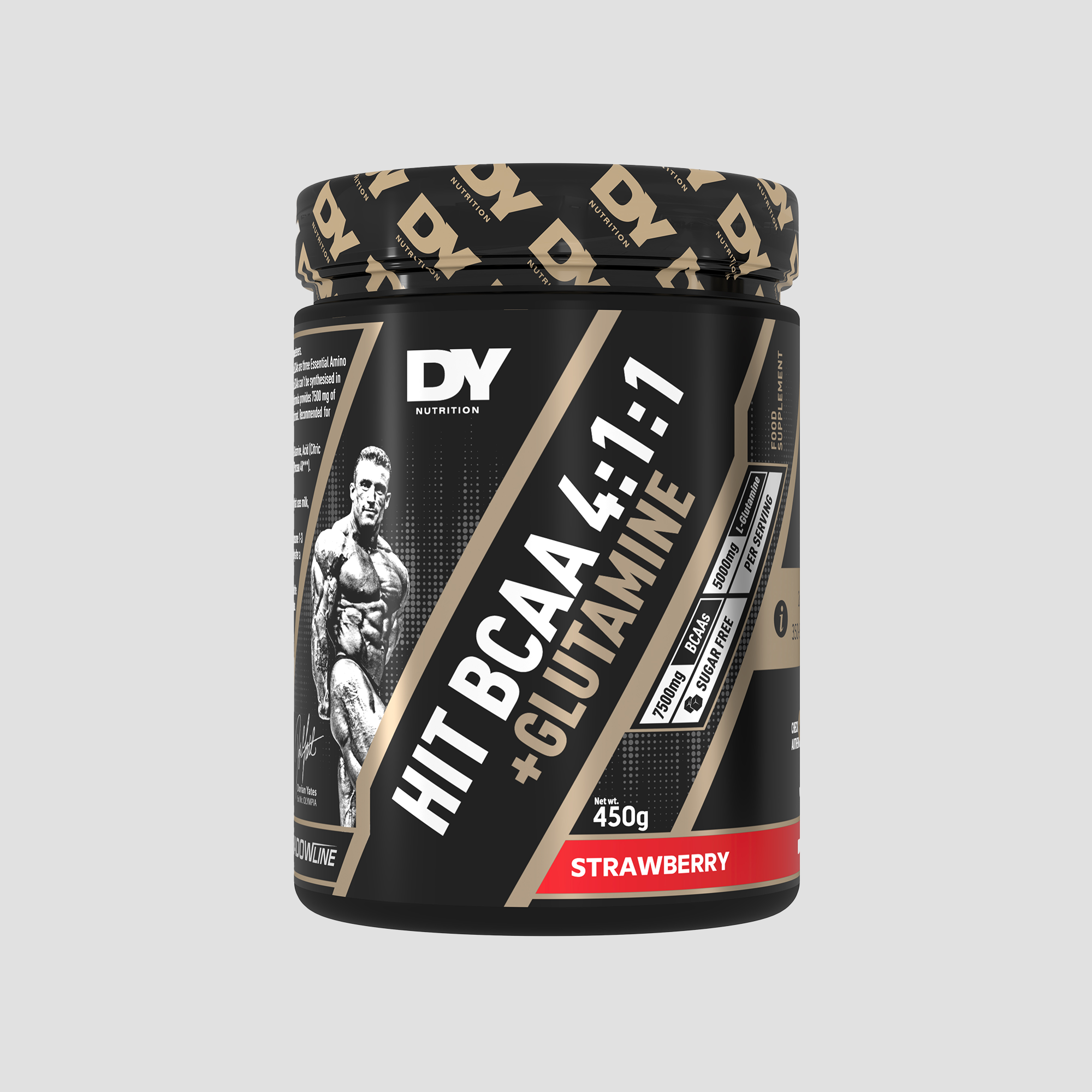
Certain supplements can support and accelerate this recovery process. Protein, especially high-quality sources like whey or casein, provides the essential building blocks for repairing muscle tissue and promoting hypertrophy. Amino acids, particularly the branched-chain variety (BCAAs), further support protein synthesis and can reduce exercise-induced soreness when dietary protein intake is suboptimal.
Omega-3 fatty acids have been shown to modulate inflammation and support joint health, making them particularly valuable for athletes undergoing frequent or intense training cycles. Likewise, micronutrients such as magnesium and vitamin D play a pivotal role in muscle relaxation, nerve function and metabolic processes essential for recovery. Recovery supplements are most effective when integrated into a comprehensive post-workout strategy, including proper sleep, hydration and nutrient timing.
💡Key Takeaways:
→ Focus on evidence-backed supplements for each goal: protein, EAAs and creatine for muscle growth; creatine and beta-alanine for strength; carbs and electrolytes for endurance; protein and EAAs for recovery.
→ Supplements are enhancers, not replacements for training and proper nutrition.
→ Avoid overhyped or unsupported products; context, dosage, and consistency determine real benefit.
→ Tailor your choices to your training type, goal and individual response for maximum effectiveness.
5. What supplements should I take for the gym? Beginner’s list
Starting a new gym routine can be overwhelming, especially when faced with the vast array of supplements on the market. For beginners, the goal should be to focus on a small set of scientifically validated supplements that complement consistent training and proper nutrition. These foundational products support muscle growth, strength and recovery without introducing unnecessary complexity.

💪Beginner’s core supplement list:
-
Whey Protein: provides a convenient source of high-quality protein to support muscle protein synthesis and post-workout recovery.
-
Creatine Monohydrate: enhances ATP regeneration, allowing for stronger, more intense lifts and promoting lean muscle gains.
You may also want to read: Creatine 101: What it is, why it’s used and how to use it
-
Essential Amino Acids (EAAs): ensure your body has all the necessary amino acids to repair and grow muscle tissue, especially on lower-protein days.
-
Pre-workout (optional): boosts energy, focus, and training intensity.
-
Vitamins: support overall health, metabolism, and recovery, ensuring your body functions optimally during training.
💡Key Takeaways:
→ Start with core evidence-backed products before adding others.
→ Tailor choices to your training type, goals, and dietary intake.
→ Track your response and adjust accordingly, avoiding overhyped blends.
6. Best muscle growth supplements for men and women
Muscle growth is influenced by both training stimulus and nutritional support, but physiological differences between men and women can affect how supplements work. While many core supplements are effective for everyone, certain considerations regarding dosage, hormonal environment and recovery demands are worth noting.
6.1. Best supplements for muscle growth for women
Women tend to have lower absolute muscle mass and different hormonal profiles than men, which influences how certain supplements affect hypertrophy. Scientific evidence highlights that protein quality, amino acid availability and recovery support are especially important.

-
Protein: Studies show women achieve optimal muscle protein synthesis with slightly higher protein-to-body-weight ratios due to lower total caloric intake, making supplementation beneficial.*
-
Creatine Monohydrate: Research confirms it increases strength and lean mass in women without adverse effects. Interestingly, women may experience more pronounced relative strength gains per bodyweight, even if absolute gains are smaller than men.
You may also want to read: Creatine Supplementation for Women
-
Beta-alanine: Trials demonstrate improvements in muscular endurance, allowing women to sustain higher repetitions and volume during training.
-
Magnesium, Vitamin D, Omega-3s: Evidence shows these compounds support recovery, reduce inflammation and maintain bone and joint health, which is critical for female athletes engaging in regular resistance training.
6.2. Best muscle growth supplements for men
Men naturally have higher testosterone levels and greater lean muscle potential, which allows certain supplements to have a more pronounced impact on strength and muscle mass gains. Research shows that men may benefit most from compounds that enhance power output, training volume and recovery efficiency.

-
Creatine monohydrate remains the most consistently supported supplement, significantly increasing maximal strength, power and lean mass in men across numerous clinical trials. Men often see larger absolute improvements due to higher baseline muscle mass.
-
Caffeine and nitrate-rich supplements enhance neuromuscular performance and exercise efficiency, particularly useful for men engaging in heavy lifting, explosive training or repeated high-intensity sets.
You may also want to read: Pre-Workout Supplements 101
-
Protein timing and dosage: studies indicate men can optimize hypertrophy by consuming 20-40 g of high-quality protein post-workout and spreading intake throughout the day to maintain a positive protein balance.
💡Key Takeaways:
→ Gender differences are minor; protein, EAAs, and creatine are effective for both.
→ Women may benefit from slightly different dosing or micronutrient support.
→ Focus on science-backed supplements rather than marketing claims.
7. Sports performance supplements: overhyped or context-dependent gym supplements
The market for sports performance supplements is vast and often confusing, with products promising dramatic results in strength, endurance or recovery. While some supplements are supported by robust scientific evidence, many are overhyped, offering minimal benefits unless used in very specific contexts. Understanding the science behind each can help you make informed choices.
Well-supported supplements:
-
Creatine Monohydrate: Strong evidence for improving high-intensity performance, strength and lean mass, across sexes and training levels.
-
High-quality protein sources and essential amino acids (EAAs):
→ Protein provides the complete set of amino acids required for muscle protein synthesis, especially important when dietary intake is suboptimal.
→ EAAs can directly stimulate muscle protein synthesis even when total protein intake is lower, making them a precise tool for recovery and hypertrophy support.
-
Omega-3s & other micronutrients (Vitamin D, magnesium, zinc): Scientifically supported for recovery, inflammation modulation and overall health, which indirectly supports performance.

Context-dependent / limited-evidence supplements:
-
Prohormones/DHEA supplements: claimed to enhance muscle growth or hormone levels; safety and efficacy are not supported in healthy recreational athletes.
-
Huperzine A: marketed for focus and cognitive performance; no reliable data supports performance enhancement in sports.
-
“Anabolic Support” online formulations: marketed as ”muscle builders”; no strong clinical evidence supports efficacy in healthy adults.
-
Androstenedione & “Natural Steroid” blends: marketed to increase muscle mass and hormones; clinical trials show little to no effect in healthy adults.
💡Key Takeaways:
→ Many popular supplements have limited or no real performance benefits.
→ Prioritize clinically validated ingredients and avoid hype.
→ Context-dependent products may help, but results are highly individual.
8. How to build a smart supplement stack: mini-guide
Building a good supplement stack isn’t about taking everything on the market. It’s about strategic, evidence-based choices that complement your training, nutrition and recovery. Here’s how to approach it:

1. Prioritize core, well-supported supplements
Start with supplements that are clinically proven to enhance muscle growth, strength, recovery or overall performance, such as creatine monohydrate and high-quality protein. Focus on one or two core supplements before exploring additional products
2. Assess your personal goals
|
Training focus |
Core supplement stack |
|
Hypertrophy & muscle growth |
Protein + creatine + EAAs |
|
Strength & power |
Creatine + protein+ beta alanine |
|
Endurance |
Carbohydrate support + electrolytes |
Only include additional products if they serve a clear, goal-specific purpose.
3. Layer in context-dependent or targeted supplements
Once your core is covered, consider supplements with situational benefits, but keep your expectations realistic:
-
Adaptogens for stress and fatigue management.
-
Omega-3s or micronutrients if dietary intake is insufficient.
-
Timing-specific amino acids around workouts for recovery.
Avoid overhyped blends. Focus on substances with at least some evidence and measurable impact.
4. Timing and dosage matter
Even the most effective supplements require correct usage:
-
Follow clinically supported dosages.
-
Prioritize post-workout protein/EAA intake for muscle protein synthesis.
-
Use creatine consistently; timing is less important than daily intake.
5. Evaluate & adjust
Track your progress and adjust your stack. Monitor performance, recovery and body composition. Remove supplements that don’t provide measurable benefit. Always consider interactions, tolerance, and personal response.
💡Key Takeaways:
→ Build your stack around core, well-supported supplements.
→ Add situational products only if they serve a clear goal.
→ Timing, dosage, and consistency matter more than quantity or trends.
9. How to choose high-quality nutrition supplements
Not all supplements are created equal. Making sure you choose high-quality products is essential for safety, efficacy and real performance benefits. Here’s a structured approach:
1. Look for evidence-based formulations
- Prioritize supplements with clinically validated ingredients and dosages.
- Avoid proprietary blends that hide exact ingredient amounts.
- Check whether the supplement has been tested in human trials for the claimed effects.
2. Check quality control and certifications
- Look for third-party testing (e.g. NSF, Informed-Sport) to ensure purity, potency and absence of banned substances.
- Ensure the manufacturer follows Good Manufacturing Practices (GMP) and has transparent lot testing reports.

3. Review ingredient labels carefully
- Focus on key active ingredients and their effective dosages, not marketing claims.
- Avoid unnecessary fillers, additives or artificial substances that don’t contribute to performance.
- Check for potential allergens or intolerances.
4. Consider your personal needs
- Supplements should complement your diet, training and recovery, not replace them.
- Choose products targeted to your specific goal (muscle growth, strength, endurance).
- Be aware of timing, frequency and interactions with other supplements or medications.
5. Evaluate transparency and brand reputation
- Trust brands that are transparent about ingredient sourcing and testing.
- Avoid products with exaggerated marketing claims or promises that sound too good to be true.
- Research reviews and scientific references provided by the manufacturer.
At DY Nutrition, we ensure every product meets strict pharmaceutical standards, with transparent ingredient labels, third-party testing and Good Manufacturing Practices. This means our supplements are safe, effective and designed to support your training and performance goals, giving you confidence in every choice you make.
💡Key Takeaways:
→ Focus on science-backed ingredients at effective doses.
→ Choose supplements from reputable, tested brands.
→ Be goal-oriented and integrate supplements strategically with diet and training
10. Final verdict: what actually works for muscle growth and performance?
When it comes to building muscle and maximizing performance, there’s no shortcut or magic pill. The truth lies in understanding the principles that consistently deliver results and applying them intelligently.
Focus on the fundamentals: progressive training, proper nutrition and sufficient recovery. Supplements are not the hero, they are the amplifiers of smart, evidence-based action.
Cut through the hype. Choose products that are clinically validated, goal-oriented and simple to integrate. Results follow from strategic, sustained effort.
In performance, as in science, less noise, more signal wins every time.
Frequently Asked Questions
1. What supplements should I take for the gym?
The most effective gym supplements depend on your goal. For muscle growth and performance, the most evidence-backed options are creatine monohydrate, whey protein (if you don’t hit your protein intake from food), caffeine for performance and focus, and beta-alanine for high-intensity training. Supplements enhance results, but they don’t replace proper training, nutrition and recovery.
2. What gym supplements actually work?
Some supplements with strong scientific support include creatine (strength, power, lean mass), protein powder (supports muscle protein synthesis), citrulline malate (may enhance blood flow and reduce fatigue during resistance training), and omega-3 fatty acids (support recovery and muscle function). Always prioritize supplements backed by randomized controlled trials and meta-analyses.
3. What gym supplements should I take for weight loss?
Supplements can support fat loss, but they do not replace a calorie deficit. Protein helps preserve lean muscle mass during dieting and increases satiety. L-carnitine plays a role in fatty acid transport into mitochondria, while L-choline supports fat metabolism and liver function during calorie restriction. Sustainable weight loss depends primarily on maintaining a calorie deficit, resistance training and consistency.
4. What supplements for gym beginners?
If you're new to the gym, keep it simple: whey protein (if you struggle to hit daily protein targets), creatine monohydrate (3–5g daily, safe and well-studied), and optional caffeine for pre-workout support. Beginners do not need complex stacks. Consistency, progressive overload and diet matter most when starting out.
5. Do I need supplements to build muscle?
Supplements are tools that can improve training performance, increase convenience (such as helping meet protein intake) and accelerate progress. They support a structured training and nutrition plan, but they do not replace it.
6. Are gym supplements safe?
Most evidence-based supplements, such as creatine and protein powder, are considered safe for healthy individuals when taken in recommended doses. Always respect dosage guidelines, choose products manufactured in GMP-certified (Good Manufacturing Practice) facilities to ensure quality and ingredient accuracy, look for third-party testing, and consult a healthcare professional if you have medical conditions or take medication. Product quality matters as much as ingredient selection.
Sources:
- Nutrients (2024) – The Top 5 Can’t‑Miss Sport Supplements
https://pubmed.ncbi.nlm.nih.gov/39408214/ - Nutrients (2025) – Effects of Creatine and β‑Alanine Co‑Supplementation on Exercise Performance and Body Composition: A Systematic Review
https://pubmed.ncbi.nlm.nih.gov/40647180/ - Frontiers in Nutrition (2025) – Effects of Different Dietary Supplements Combined with Conditioning Training…
https://pmc.ncbi.nlm.nih.gov/articles/PMC12295849/ - PeerJ (2025) – Effects of Creatine Supplementation on Muscle Strength Gains: A Meta‑Analysis
https://pubmed.ncbi.nlm.nih.gov/41328071/ - PubMed (2022) – Effects of Beta‑Alanine Supplementation on Body Composition
https://pubmed.ncbi.nlm.nih.gov/35813845/

